Overview
The Saghro Massif is a wild and rugged mountain range, unforgettable for those who have visited it — a truly dramatic landscape. Charles de Foucauld, who crossed part of it, described it as a high plateau at an average altitude of 2,000 metres, reached by long, winding ascents, often rocky. The upper plateau forms a vast, flat and green expanse, dotted with ridges and peaks rising in volcanic formations. Our trek takes place in a pre-Saharan environment, reaching a highest point of 2,600 metres. There are very few villages, but enough nomads from the large Aït Atta tribe, who come here to graze their herds.
Highlights
01- Marhbabikoum - Welcome
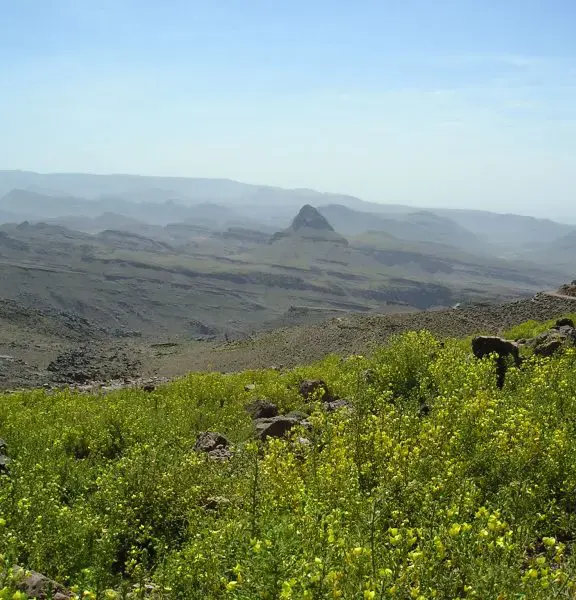
02- On the road to the volcanic Saghro Massif
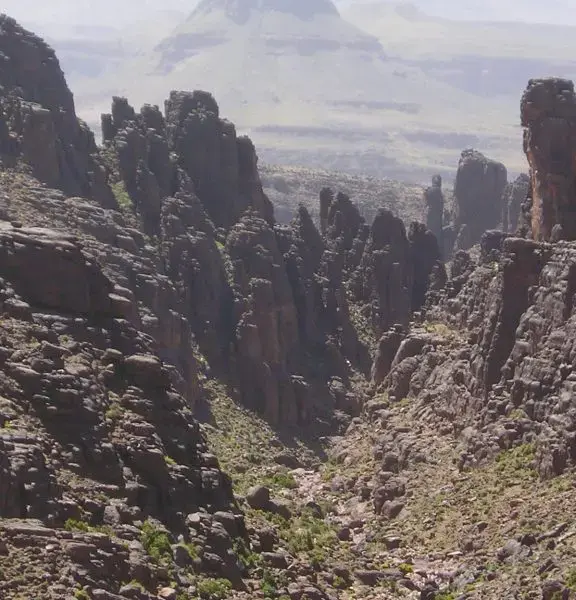
03- From the Valley of Roses to the almond oases of Assaka
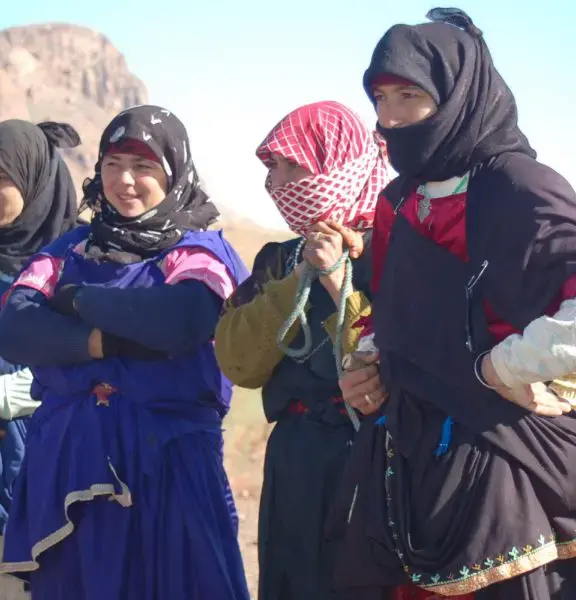
04- From rocky peaks of Bab N’Ali to the wild summits of the Saghro
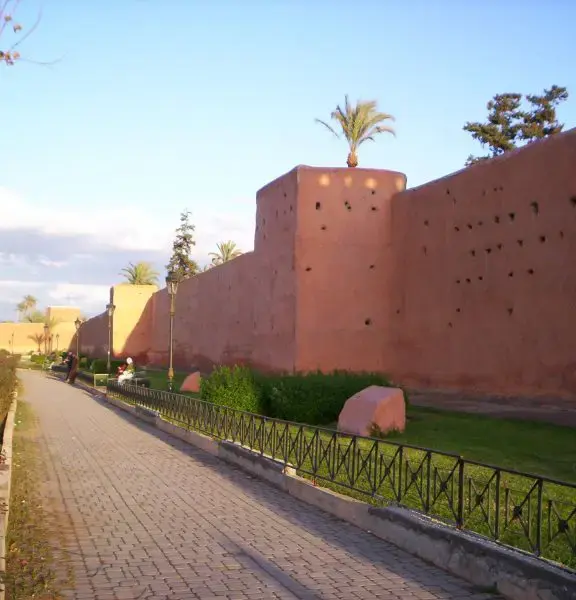
05- Return journey
Best Moments
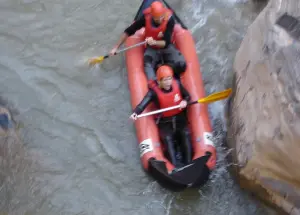
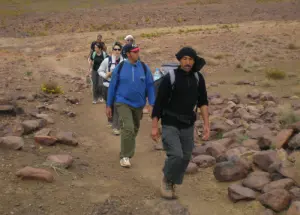
Trekking in the heart of the Saghro, between oases, valleys and wild volcanic landscapes, to meet the nomads.
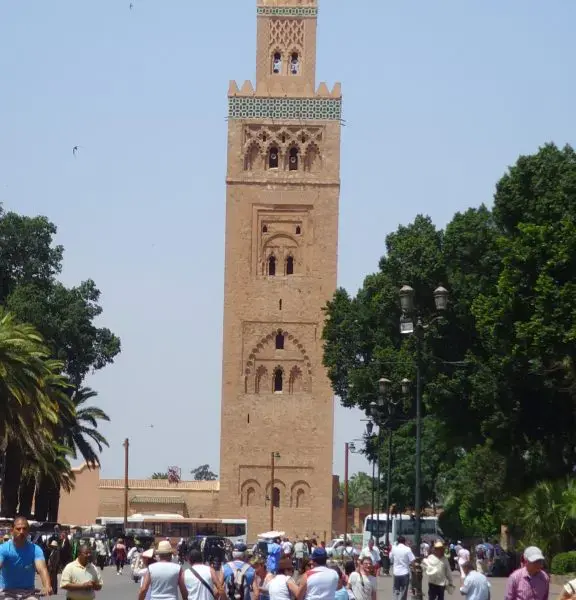
Welcome by our guide or a member of Terres et Voyages, followed by transfer to your accommodation.
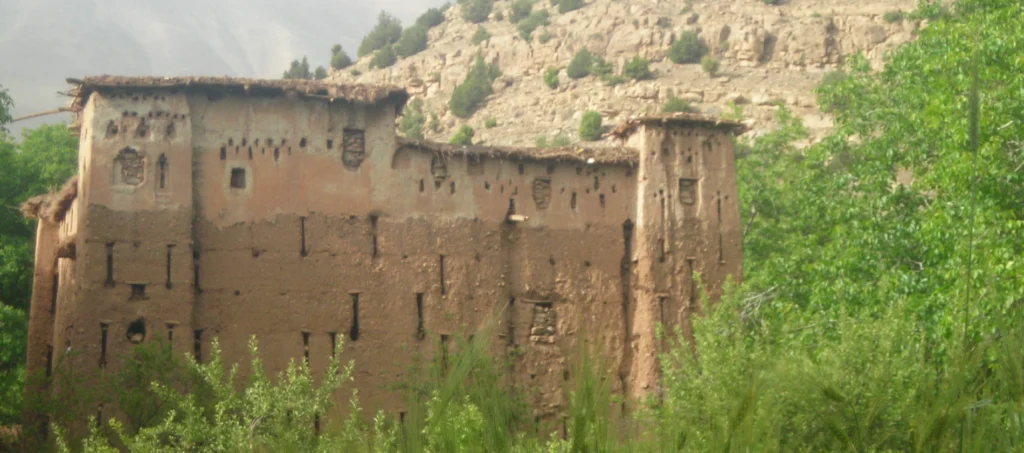
Departure towards the Saghro Massif via the famous Tizi n’Tichka Pass, the highest paved road pass in Morocco. Along the “Road of a Thousand Kasbahs”, we pass through the Skoura palm grove and the Valley of Roses, where we meet our team and begin the trek. The route unfolds through a mineral landscape between the snow-capped High Atlas and the dry northern slopes of the Saghro.
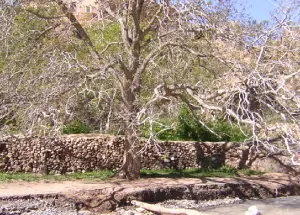
Walk at the foot of the mountains, descend into a valley of oleander, then cross a pass at 1,900 metres to reach a beautiful canyon filled with almond trees and small villages. We enter the southern slopes, known for their impressive geological formations.
Continue east along a small trail through beautiful gorges leading to a high plateau filled with ancient volcanic rock formations. Here, Aït Atta nomad families set up camp with their herds near the highest point of our route.
We begin our return towards Marrakech. Early in the day, we climb a final section offering superb views stretching to the edge of the Sahara and across the Atlas range. We then descend to our camp near the track for the night.