Overview
Close to its traditions, Morocco also offers all the advantages of modern life. Heir to centuries of living traditions, Morocco is a millennia-old country. And yet nothing stands still. Eight days to discover the many faces of the Cherifian Kingdom.
Highlights
Paris – Marrakech direct!
Casablanca & the Great Mosque – Rabat and its 14 minarets
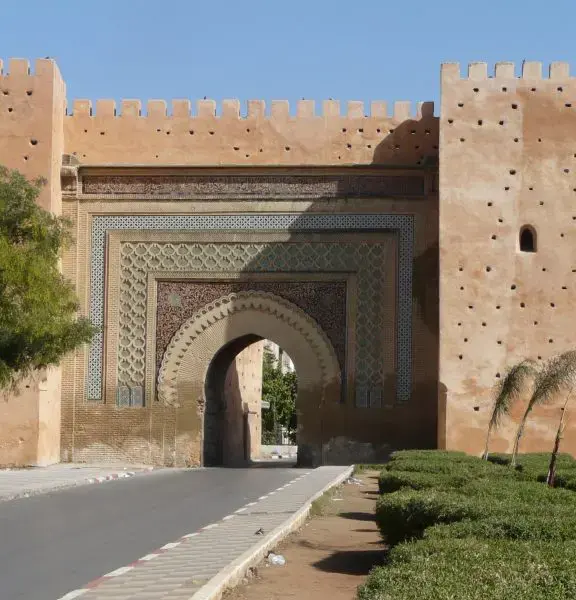
Meknès, the Versailles of a great sultan
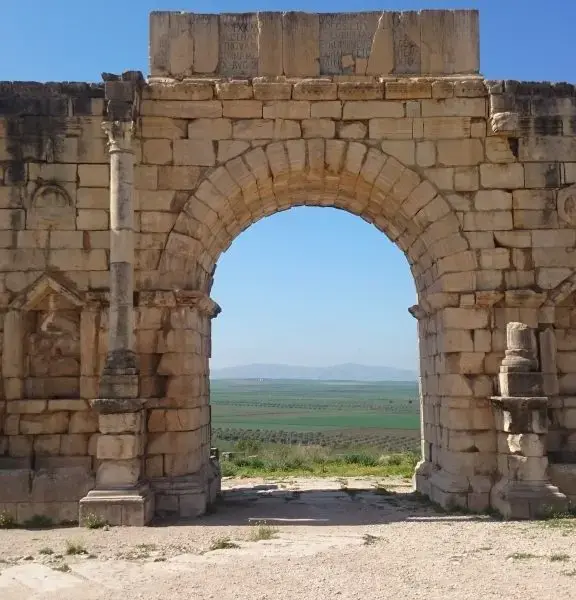
Volubilis & Moulay Idriss – a journey through history
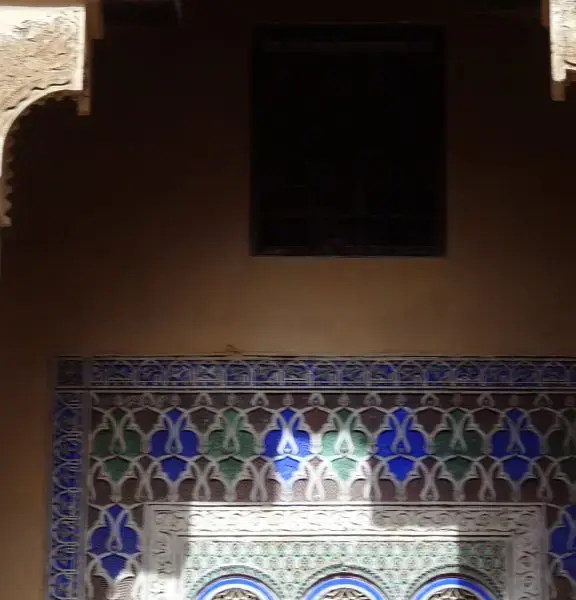
Fès – the most imperial of the imperial cities
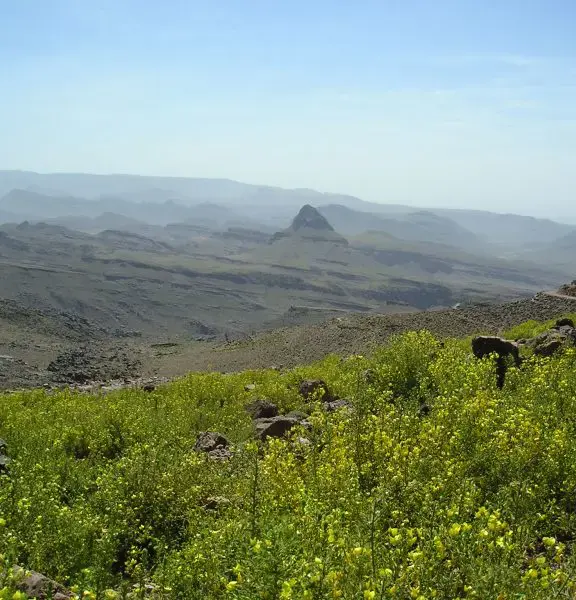
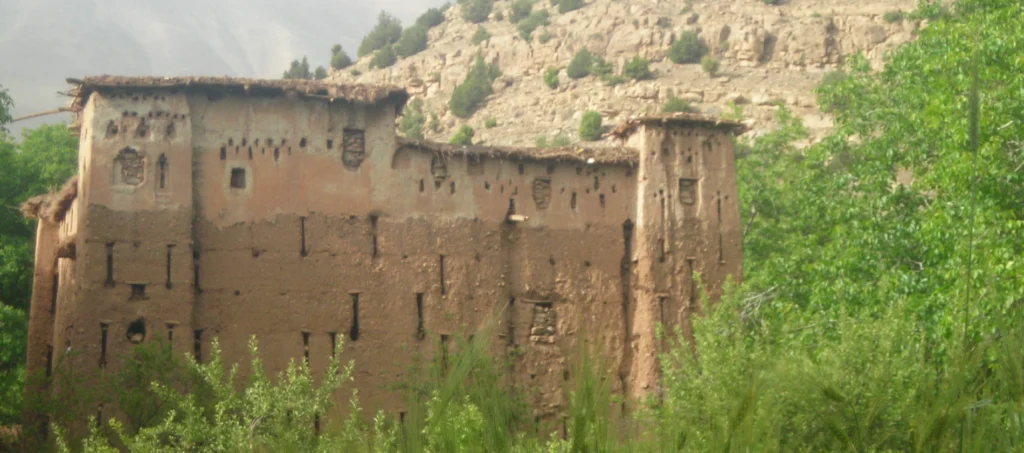
Between the Middle and High Atlas – traditional Berber Morocco
In search of the Barbary macaques
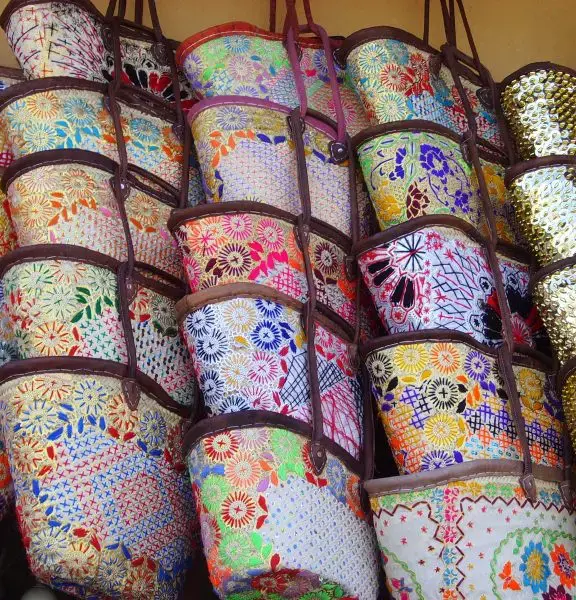
Marrakech, its souks… last chance for Moroccan shopping
Best Moments
Eight days to discover the many faces of the Cherifian Kingdom
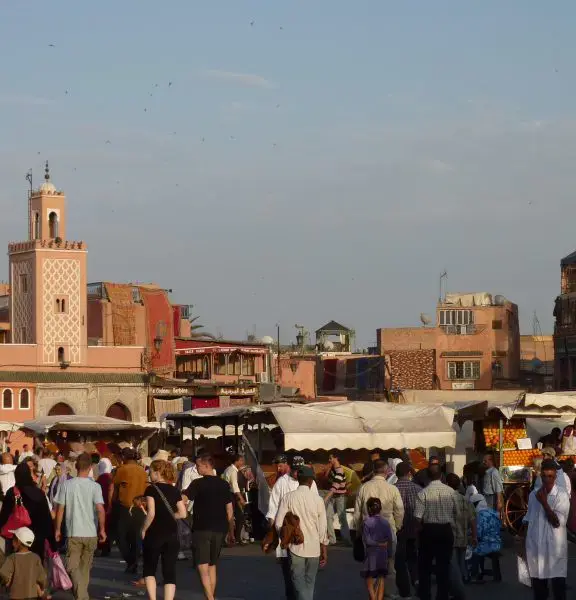
Marrakech is the most lively and captivating of all Moroccan cities. Among the royal cities, it is the one that gave its name to the entire kingdom. Founded by the Almoravids, its influence extends beyond the High Atlas Mountains and deep into the Sahara. It is also the country’s great Berber city.
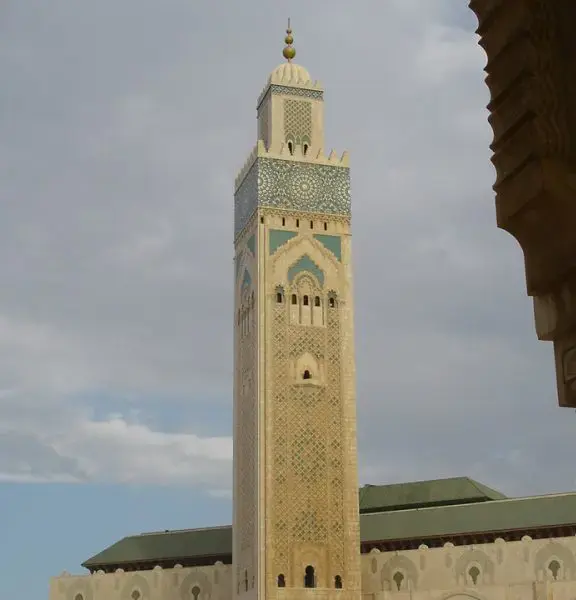
Rabat, the current capital of the Kingdom of Morocco, is known for its wide avenues and rich historical heritage: the Great Mosque, the famous Hassan Tower, the unfinished minaret of a mosque commissioned by Yacoub al-Mansour. Its construction, begun before 1195, was abandoned after the death of its founder in 1199. Enjoy a peaceful walk through the Oudayas Gardens.
Meknès is an open-air museum. Its medina and the remains of the royal palace have earned it UNESCO World Heritage status.
On El Hedime Square, Bab Mansour is the gateway to the medina and a masterpiece of Hispano-Moorish art. Do not miss the royal stables and granaries of Sultan Moulay Ismail.
Step back into antiquity with the Roman ruins of Volubilis: the triumphal arch, the basilica and its famous mosaics, all UNESCO-listed.
Then visit the holy town of Moulay Idriss, with its white cubic houses built across two rocky hills. It is an important pilgrimage site, home to the tomb of Moulay Idriss, founder of the Idrissid dynasty and bringer of Islam to Morocco.
Founded by Moulay Idriss II around 800, Fès is the oldest of the imperial cities. Visits include Bab Boujloud, the monumental gate leading to the Attarine and Bou Inania madrasas, known for their rich Marinid decoration, Nejjarine Square and fountain, and the Andalusian quarter.
Lunch in a historic house where the agreement between Lyautey and the Sultan of Morocco was signed.
Explore the souks: the spice souk, the metalworkers’ souk, and the dyers’ souk. Visit the tanneries, famous for their strong scents and colourful dye vats, offering a striking view over the city walls. Then visit the zaouia of Moulay Idriss II, housing his tomb, with its carved and painted wooden entrance and glimpse of the prayer hall with its unusual collection of clocks.
Depart for the Middle Atlas and the climatic resort of Ifrane, built by the French in the 1930s in Alpine style. Known as the “Little Switzerland of Morocco” for its architecture and cedar forests. Continue into the High Central Atlas.
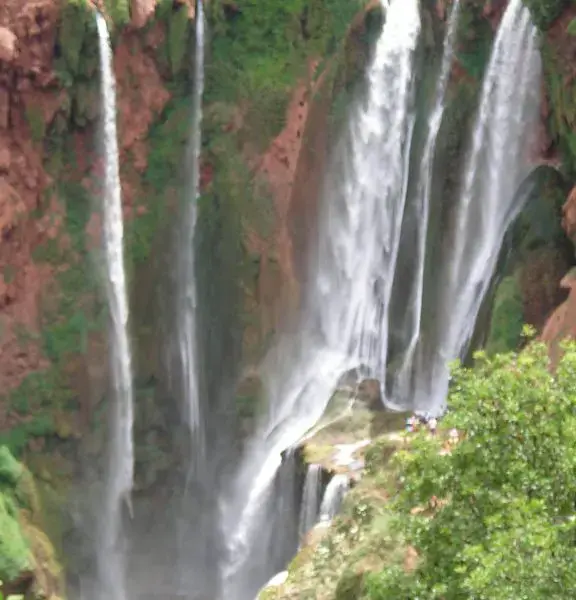
On the way back towards Marrakech, visit the Ouzoud Waterfalls, dropping around 110 metres over three levels in a beautiful natural setting at 1,060 metres altitude in the Atlas Mountains.
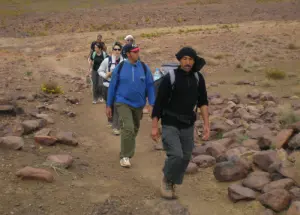
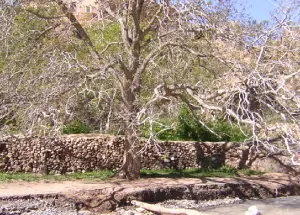
A walk among olive trees along the river leads you to the base of the cliffs where the water falls. The return climb offers several viewpoints over the falls, with encounters with the friendly Barbary macaques along the way.
Free time today to enjoy your final moments in the Kingdom of Morocco.