Overview
We begin our exploration with the Haouz plain, located in the interior of Morocco, between the High Atlas to the south and the small Jebilete massif to the north; it covers 6,000 square kilometers. Next, you will head towards the coast to the vast Souss plain, where citrus fruits and vegetables of all kinds are grown, half of which are exported, mainly to France.
Highlights
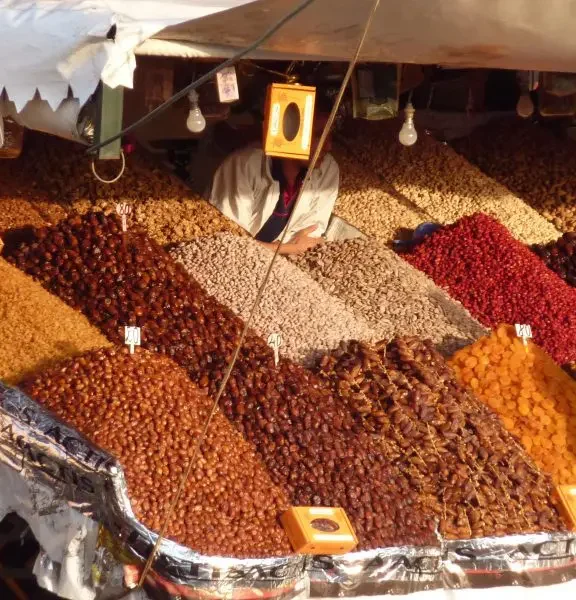
Discover Moroccan agritourism - Haouz Plain - Immerse yourself in the agricultural world
Day at the Farm
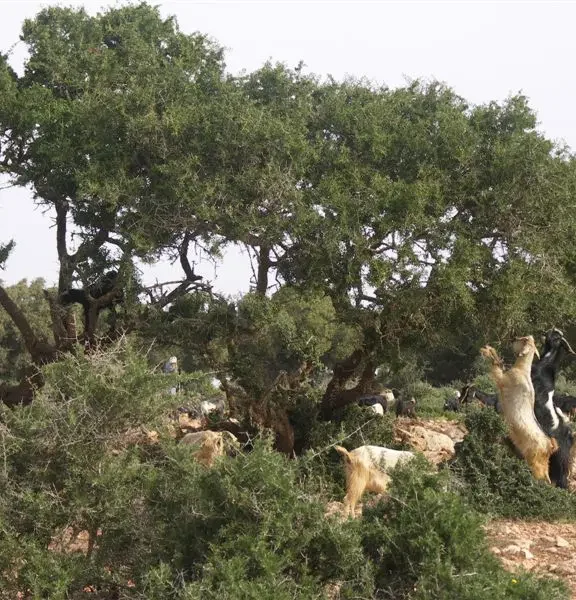
Souss Plain - Breadbasket of Morocco - Accommodation on the farm
Best Moments
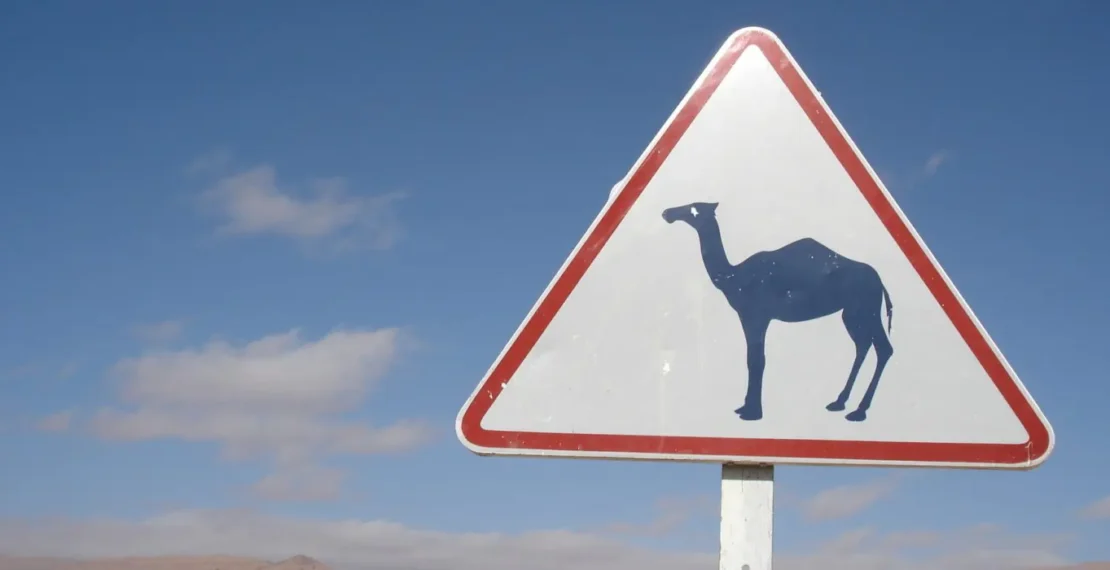
A warm welcome, crossing the Atlas Mountains towards the desert, discovering the Drâa River on camelback, immersing oneself in a Saharan village, then returning to Marrakech.
During the first three days of this Slow Travel program, you will discover the vital role of agriculture in Moroccan society, where more than half the population lives in rural areas. You will also discover a local crop, M’Loukhiya, better known as Okra. Without water, the plains only allow for extensive pastoral farming. The population, composed of tribes of Arab or Berber origin, settled for a very long time, has developed the land. Wherever there is water, in the wadis or in the soil, irrigation systems have been created, allowing for abundant cereal crops and beautiful olive or apricot orchards. Alongside traditional irrigation systems, you will find underground drains of Saharan origin (rhettaras) or the seguia du dir. Large landowners have also developed infrastructure using pumping stations and dams on the wadis.
Depending on your preference, you can spend the day at the farm, participate in farm activities (sheep shearing in May, okra harvesting from June to October, wheat harvesting and threshing in June, olive picking and learning about the olive oil production process in December), take advantage of the location to relax and discover local crafts (basketry workshops – raffia – Berber rug making (Boucharouite)) or even go hiking in the Atlas Mountains
We invite you to discover a 400-hectare estate of orange groves, date palms, and various vegetable crops. You’ll have the opportunity to visit a real banana plantation. This visit is unique in the region, as most banana greenhouses are privately owned and not open to the public. Visitors of all ages are captivated by the atmosphere of a banana plantation. It’s truly exotic… There’s also a petting zoo, an organic garden, a plant nursery, and more…